Venue House
Mar 5, 2026
6 min read

We use cookies to improve your experience and analyze site traffic. By continuing, you agree to our Privacy Policy.
Industry News
Same caliber of client, wildly different spaces. Here's what distinguishes event culture — and venue culture — between the world's two most active event markets.
Venue House
Mar 5, 2026
New York and London are, by most measures, the world's two most sophisticated event markets. Global brands, luxury houses, and media companies operate in both cities constantly. But spend time sourcing venues across both, and a striking divergence emerges — not just in the spaces themselves, but in the entire culture around how events are conceived, designed, and experienced.
New York event spaces tend toward the vertical. The rooftop terrace with a skyline view, the penthouse gallery, the loft with floor-to-ceiling windows above Fifth Avenue. Height is aspiration — and in a city that built its identity on reaching upward, that symbolism lands with guests.
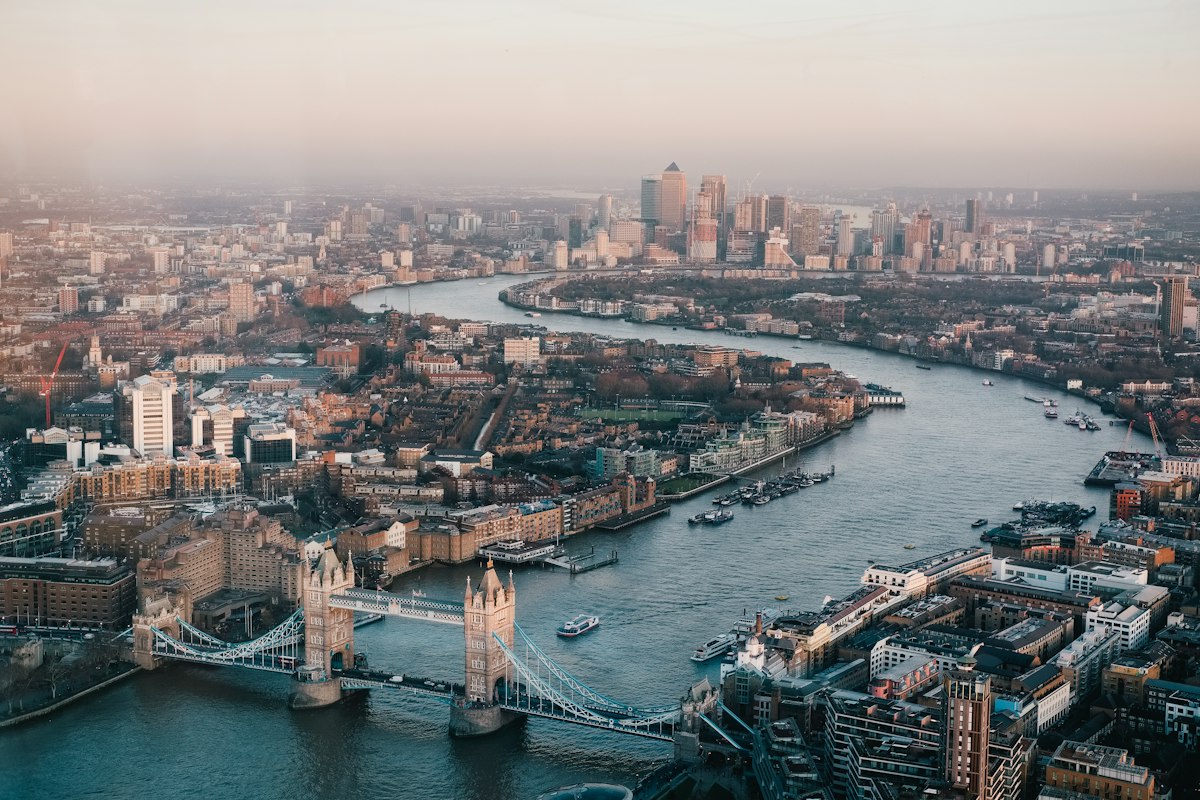
London runs horizontal. The Georgian townhouse that spreads across four floors and a mews. The members' club with a walled garden that feels impossibly tucked away in the middle of Mayfair. The Victorian warehouse that sprawls across a river-adjacent footprint in Bermondsey. London's best spaces feel like discovery — hidden, layered, earned.
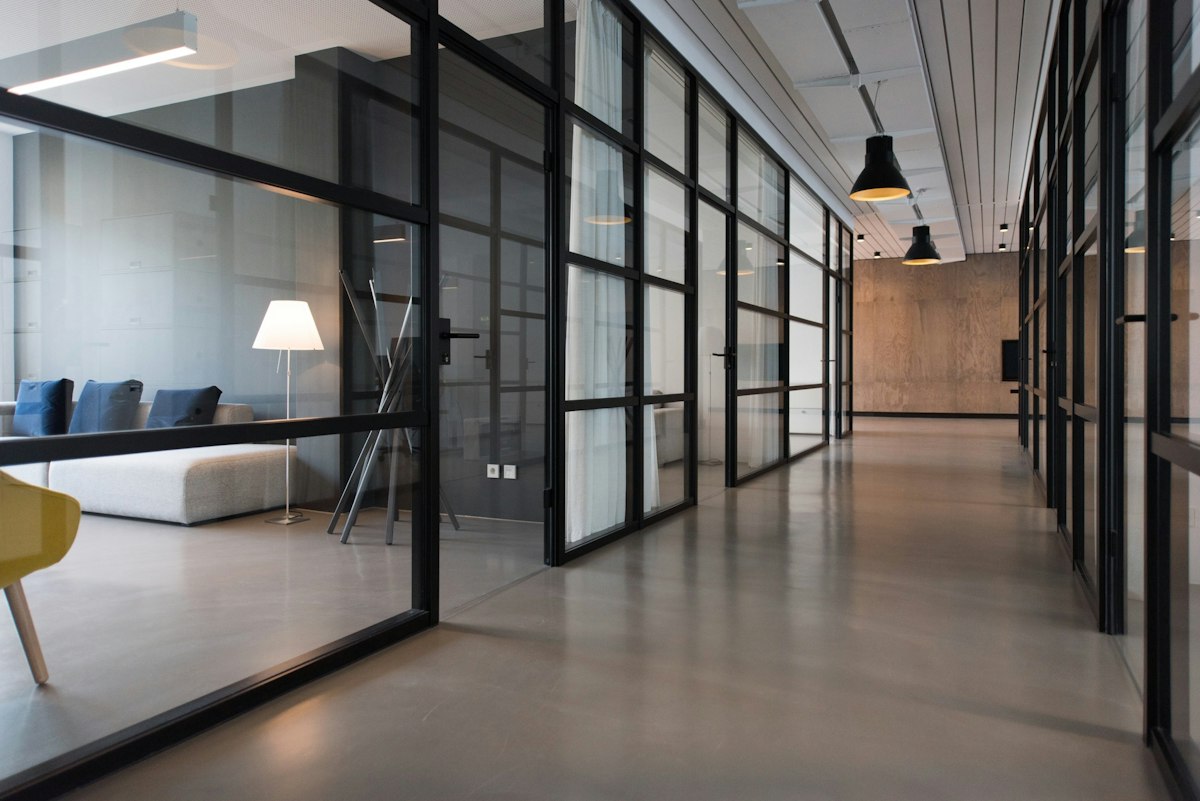
New York prices are higher in absolute terms, but what they buy has become remarkably standardized. A certain price point in Manhattan reliably delivers high ceilings, white walls, and good light. The space performs as expected.
London pricing is less predictable — but in the best possible way. Spaces that would command top-tier rates in New York are sometimes available for significantly less simply because they're off the traditional event circuit. Finding these spaces requires relationships, not search engines.
London's members' club infrastructure is unmatched anywhere in the world. Soho House's original Soho location, Home House in Marylebone, 5 Hertford Street in Mayfair — these spaces carry social currency that no purpose-built event venue can replicate. Being in them communicates membership in a specific cultural world.
New York has attempted to build its own members' club ecosystem — and some properties have succeeded — but the tradition is newer, the patina thinner. The cultural shorthand doesn't translate quite as cleanly.
Perhaps the starkest difference: London has Georgian and Victorian townhouses that have been hosting events for a century. These spaces carry institutional memory. When a fashion brand or a private bank chooses one, they're borrowing centuries of accumulated prestige.
New York's equivalent — the prewar apartment, the landmark townhouse on the Upper East Side — exists but is rarer and more carefully guarded. When it's available, the demand is intense.
For all their differences, both markets share the same premium values: natural light, character, flexibility, and the feeling that the space itself has a story to tell. The generic is undervalued in both cities. The distinctive commands a premium everywhere.
The most sophisticated clients — the global luxury brands, the major entertainment companies — increasingly move fluidly between both markets, sourcing spaces that match the specific event's needs rather than defaulting to a city. A product launch in London that calls for a Georgian townhouse followed by a New York media event in a raw SoHo loft is now standard practice.
If you're choosing between New York and London for an event, the decision shouldn't start with logistics — it should start with story. What narrative does the location itself tell? New York says ambition, scale, and energy. London says heritage, discretion, and depth.
Both are correct. Both are powerful. The question is which story your event needs to tell.
Venue House operates in New York, London, Miami, and Los Angeles. Browse our full collection or contact us to discuss your next international event.
Tags
#New York
#London
#venue comparison
#event culture
#global events
Share
Related
Industry News
The era of the ballroom-and-PowerPoint is ending. Companies are rethinking corporate events as brand experiences — and venues are changing to match.
Industry News
Whitebox venues are revolutionizing the event industry. Here's why brands are choosing blank canvas spaces over traditional event halls.
Industry News
Practical strategies for producing eco-conscious events without compromising on impact or experience.