Venue House Editorial
Jul 8, 2026
5 min read

Trends
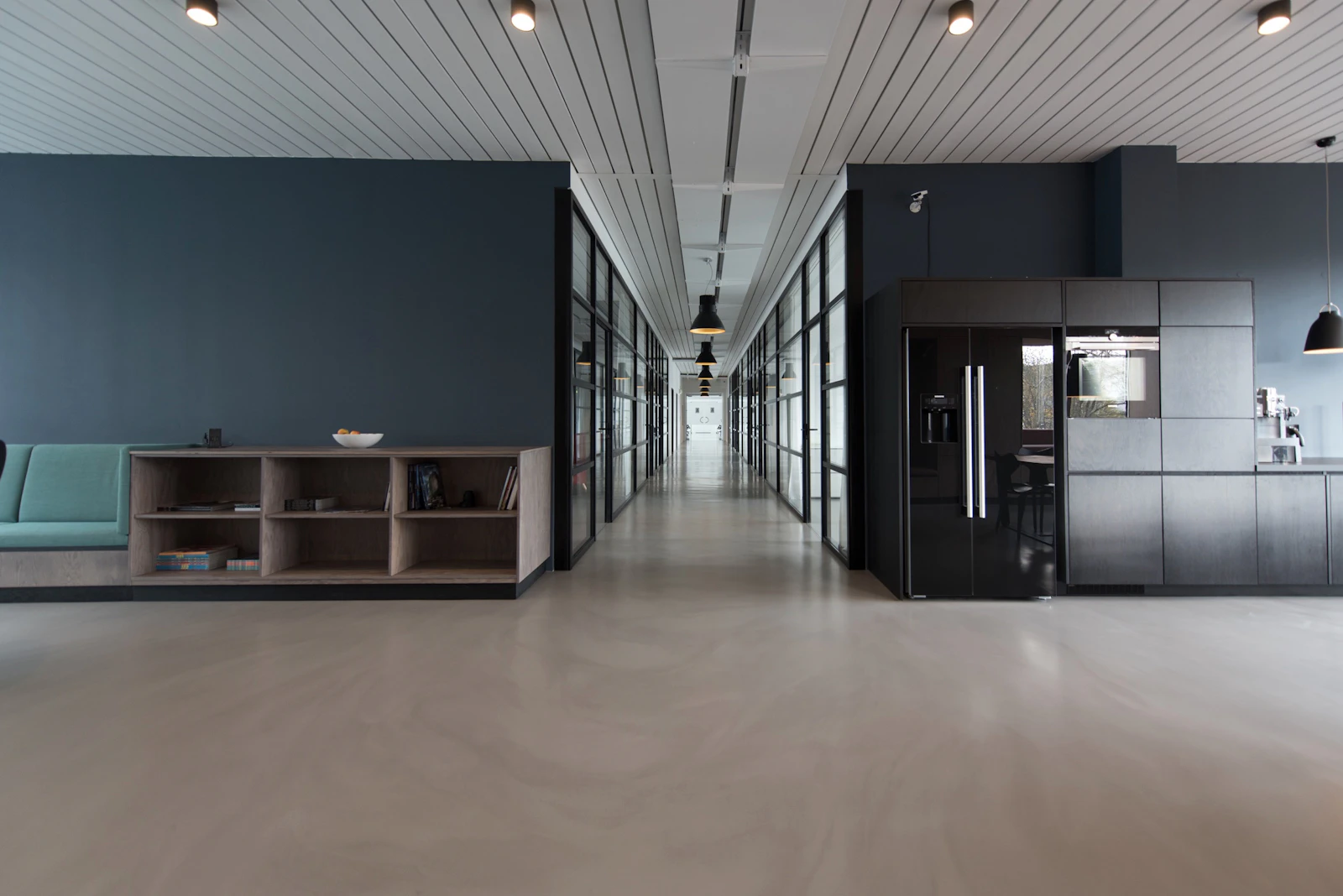
White-box spaces are quietly becoming the most requested venue format for activations and productions. Here's why the empty room is winning.
Venue House Editorial
Jul 8, 2026
For years, brands chased venues with character — ornate townhouses, industrial warehouses, gilded ballrooms. But over the last 18 months, a quieter category has climbed to the top of request lists: white-box venues.
A white-box space is, by design, a blank canvas. White walls, clean floors, neutral lighting, no architectural personality competing with your creative. It sounds boring. It's anything but.
The logic is practical. When you're building a brand activation, a product launch, or an immersive installation, the venue is your backdrop — not your co-star. Every fixture, exposed beam, or piece of inherited furniture is something your production team has to design around, mask, or light-balance.
A white-box venue removes that negotiation.
For film shoots and photo shoots, white-box spaces are a gift. Reflective surfaces are predictable. Walls can be re-dressed quickly. Load-in is faster because you're not tiptoeing around a 19th-century fireplace.
Even corporate events have caught on. A product launch that once needed a hotel ballroom now looks sharper in a raw, reimagined loft — the venue reads as "modern" and "intentional" rather than "borrowed."
Not every white-box space is equal. Before booking, check:
The trend isn't really about white walls. It's about control. Brands want rooms that serve their vision rather than compete with it. As activations get more ambitious and productions get more design-forward, expect the blank canvas to keep winning.
Tags
#white-box
#brand activation
#venue trends
#production
Share
Related
Trends
Explore the latest trends shaping the event industry in 2026: sustainability, hybrid events, immersive tech, and flexible spaces.
Trends
After years of the indoor experiential dominating event culture, the rooftop and open-air venue is having its most sophisticated season yet.
Trends
From parking garages to decommissioned warehouses, the most talked-about events of 2026 are happening in spaces that weren't built for events — and that's exactly the point.